

The Cremation Process

A Clear, Step-by-Step Guide

The cremation process is a respectful method of caring for a loved one after death. During cremation, the body is placed in a specialized cremation chamber, called a retort, where temperatures reach approximately 1,400 to 1,800°F. Over the course of two to three hours, the intense heat reduces the body to bone fragments, which are then carefully processed into the fine material commonly referred to as cremated remains or ashes.

At Smart Cremation, every step is handled with care, dignity, and complete transparency, so you can feel confident your loved one is treated with the utmost respect.

Why Families Choose Cremation?

Many individuals and families choose cremation because it offers a simple, flexible way to honor a loved one while allowing more freedom in how and when a memorial is held. If you’re considering planning ahead, learn more about the benefits of pre-planning cremation and how it can provide peace of mind for you and your family.


Elderly couple embracing outdoors near a river in a peaceful, autumn setting, symbolizing love and remembrance.
A professional consultation with a family about cremation options at a funeral home.

The Step-by-Step Cremation Process

  • Step 1: Identification
    The cremation process begins with careful identification to ensure your loved one is properly tracked at every stage.
  • Step 2: Authorization
    Before cremation can take place, the required legal authorizations must be completed.
  • Step 3: Preparation
    Your loved one is prepared with dignity and respect before cremation.
  • Step 4: The Cremation Chamber (Retort)
    The cremation container is placed into a specialized cremation chamber, also called a retort.
  • Step 5: Combustion
    During cremation, the intense heat gradually reduces the body and the cremation container over a period of approximately two to three hours.
  • Step 6: Processing the Remains
    After the cremation chamber has cooled, the remaining bone fragments are carefully collected.
  • Step 7: Return of Remains
    The cremated remains, which typically weigh between 5 and 7 pounds for an adult, are placed in a temporary container or a selected urn.

Key Facts About the Cremation Process

Understanding a few key facts can help make the cremation process feel more familiar and provide peace of mind for you and your family.
  • Only one person is cremated in a retort at a time.

  • The cremation process typically takes two to three hours.

  • Larger body size may require additional cremation time.

  • Adult cremated remains typically weigh between 5 and 7 pounds.

  • Cremated remains are processed bone fragments, commonly called ashes.

  • Remains are returned in a temporary container unless an urn is selected.

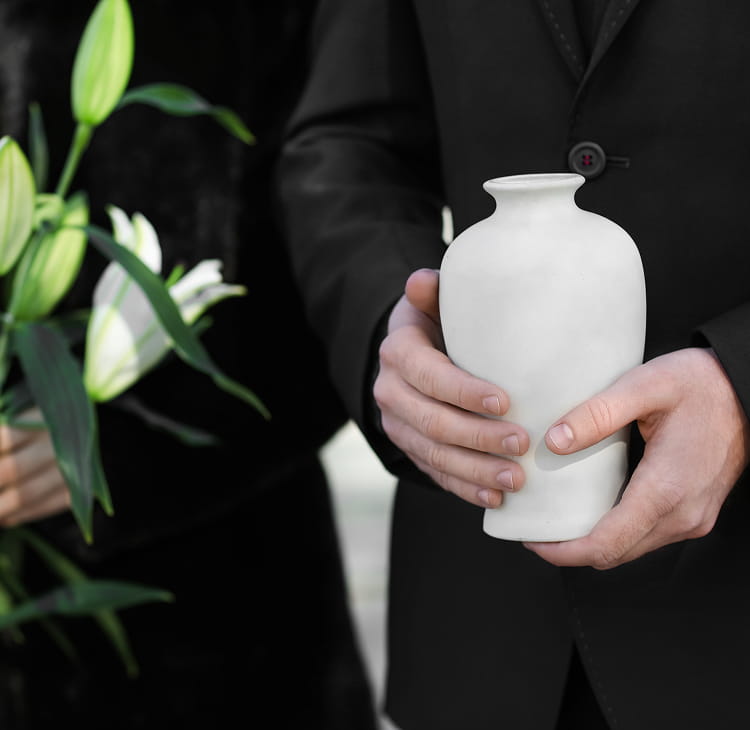
Person holding a white ceramic urn for cremation ashes during a funeral service, with lilies in the background.

How Smart Cremation Handles the Process

At Smart Cremation, we believe every family deserves compassionate care and complete transparency throughout the cremation process. Our Smart Assurance Identification System maintains a secure chain of custody from the moment your loved one is entrusted to our care until the cremated remains are returned. We also handle the paperwork, including death certificates, cremation permits, and other required authorizations, so you don’t have to. Licensed professionals oversee every step of the cremation process. Veteran families receive dedicated concierge support with DD214 assistance, VA benefits coordination, military honors, and national cemetery arrangements. Our team is available 24 hours a day, 7 days a week whenever you need us.

Learn how Smart Cremation handles every detail. Get a free quote today.

What Happens After Cremation?

After cremation, the cremated remains are placed in a temporary container or an urn selected by the family. Some families choose to keep the urn at home, while others scatter the remains in a meaningful location, place them in a cemetery or columbarium, or select another permanent memorial option. Smart Cremation also offers an unwitnessed scatter at sea for families who prefer this form of memorialization. To help preserve a loved one’s legacy, we also offer Legacy Link, which connects an urn to digital memories, and the Remento Book, which transforms recorded stories into a keepsake for future generations.

Frequently Asked Questions About the Cremation Process

If you’re researching cremation for yourself or a loved one, these answers can help you better understand what to expect at each stage of the process.

The cremation process uses intense heat to respectfully reduce the body to bone fragments. The body is placed in a specialized cremation chamber, called a retort, where temperatures reach approximately 1,400 to 1,800°F over two to three hours. The remaining bone fragments are then processed into the cremated remains that are returned to the family.

The cremation process begins with identification and legal authorization. Next, the body is prepared and placed in a combustible container before entering the cremation chamber. After cremation, the bone fragments are processed into cremated remains, placed in a temporary container or urn, and returned to the family with care and respect.

The cremation itself typically takes two to three hours, although the exact time may vary depending on factors such as body size and the type of cremation container used. The overall process, including obtaining authorizations, completing paperwork, and preparing the remains for return, may take several days depending on state requirements.

Most cremations take place in a specialized retort heated to approximately 1,400 to 1,800°F. These high temperatures reduce the body to bone fragments while maintaining a respectful, carefully monitored process performed by trained professionals.

A cremation retort is the specialized, brick-lined chamber where cremation takes place. Designed to withstand extremely high temperatures, the retort provides a safe, controlled environment for the cremation process. Only one person is placed in the retort at a time, ensuring proper identification and respectful care.

During cremation, intense heat gradually reduces the body’s soft tissues and organic materials over the course of two to three hours. What remains are bone fragments, which are carefully collected, processed into a fine consistency, and returned to the family as cremated remains.

Although commonly called “ashes,” cremated remains are primarily processed bone fragments. After cremation, the remaining bone fragments are placed in a cremulator, which creates the fine, uniform texture families receive.

For most adults, cremated remains weigh approximately 5 to 7 pounds. The exact amount varies based on factors such as the individual’s size and bone structure.

Yes. Only one person is cremated in a retort at a time. This is standard practice and is required by law and industry standards to ensure proper identification and maintain the dignity and integrity of the cremation process.

The required documents vary by state but generally include a signed cremation authorization, a death certificate, and any required permits. Smart Cremation manages the paperwork and authorizations on your behalf, helping simplify the process for your family.

The cremated remains are placed in a temporary container or an urn selected by the family. They may be kept at home, scattered in accordance with local laws, interred in a cemetery, or placed in a columbarium. Smart Cremation also offers an unwitnessed scatter at sea and memorial products to help families honor a loved one’s life.

Yes. Families have many options for memorializing cremated remains, including keeping an urn at home, scattering the remains in a meaningful location where permitted, placing them in a cemetery or columbarium, or incorporating them into a personalized memorial. Smart Cremation can help you understand your options.

Yes. Whenever possible, Smart Cremation personally delivers cremated remains directly to the family. If personal delivery is not practical, alternative arrangements can be made with the family’s approval.

The Smart Assurance Identification System is Smart Cremation’s chain-of-custody process that helps ensure your loved one is carefully identified and tracked throughout every stage of care. From the moment your loved one enters our care until the cremated remains are returned, the system provides an added layer of accountability, security, and peace of mind for families.

Let Smart Cremation Handle Every Detail

Understanding the cremation process is the first step toward making informed decisions for yourself or someone you love. Whether you’re planning ahead or need immediate assistance, Smart Cremation is here to guide you with compassionate care, clear communication, and support every step of the way.

Available 24/7 — call (844) 690-0452
Get a Free Quote

Person placing a cremation urn on a memorial site surrounded by yellow flowers during a cremation ceremony.